
Chemical Dosing Pump Solutions — Engineered for Precision, Built to Last
As a specialist chemical dosing pump manufacturer, we design and produce precision metering pumps for water treatment, wastewater, oil & gas, food & beverage, and industrial chemical injection applications worldwide. Explore our five core chemical dosing pump categories below, or contact our engineering team for a tailored recommendation.
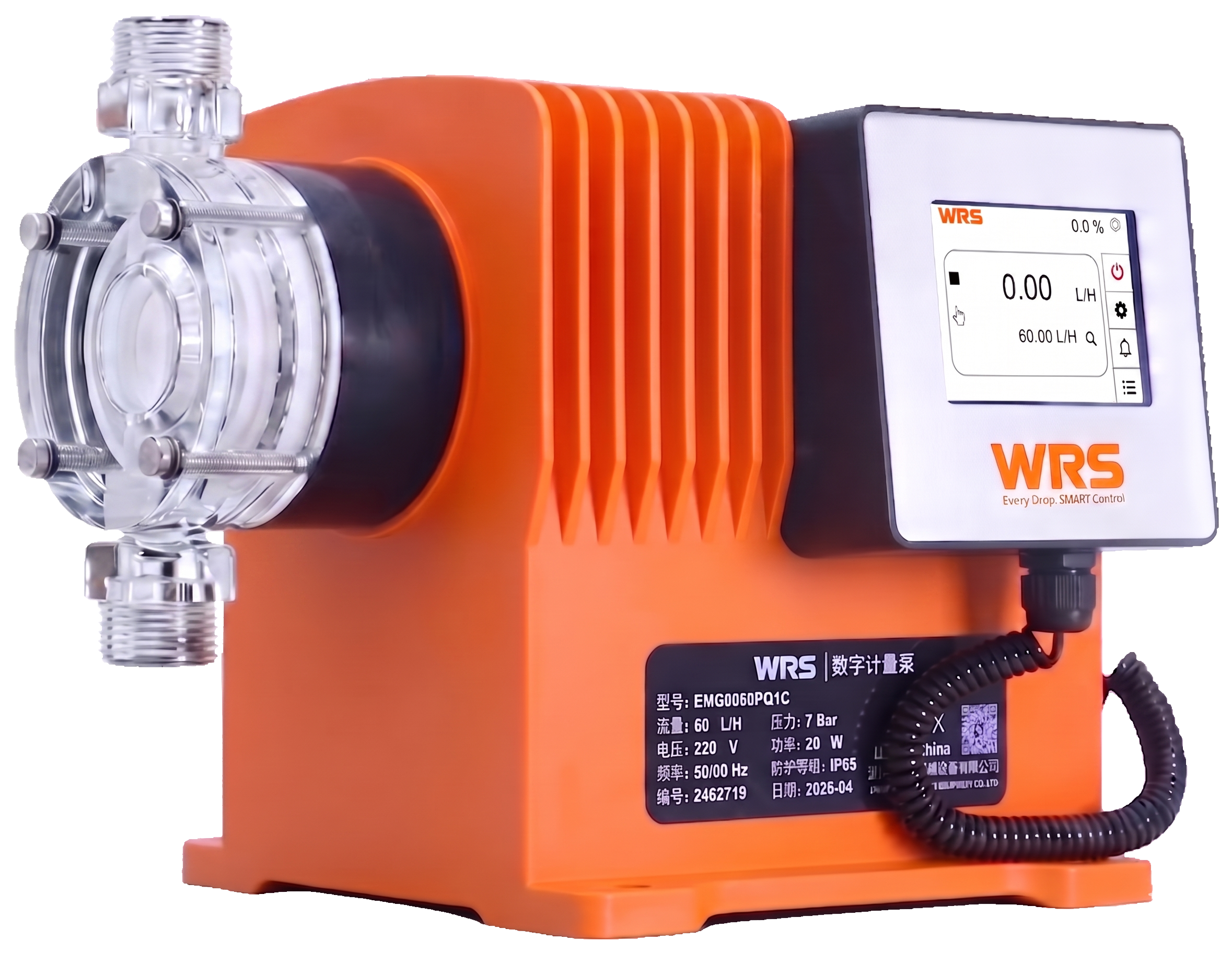
SMART Digital Dosing Pump
WRS’s flagship chemical dosing pump series. Using the latest BLDC motor technology, achieving the multiple functions such as slowmode, input & output signal controls, relay feedback, diaphragm rupture detection and more. This series ranging from 8 l/h up to 2000 l/h.
This family come with two version, the PLUS and LITE version. Where the lite version reduces some premium features from the PLUS version.
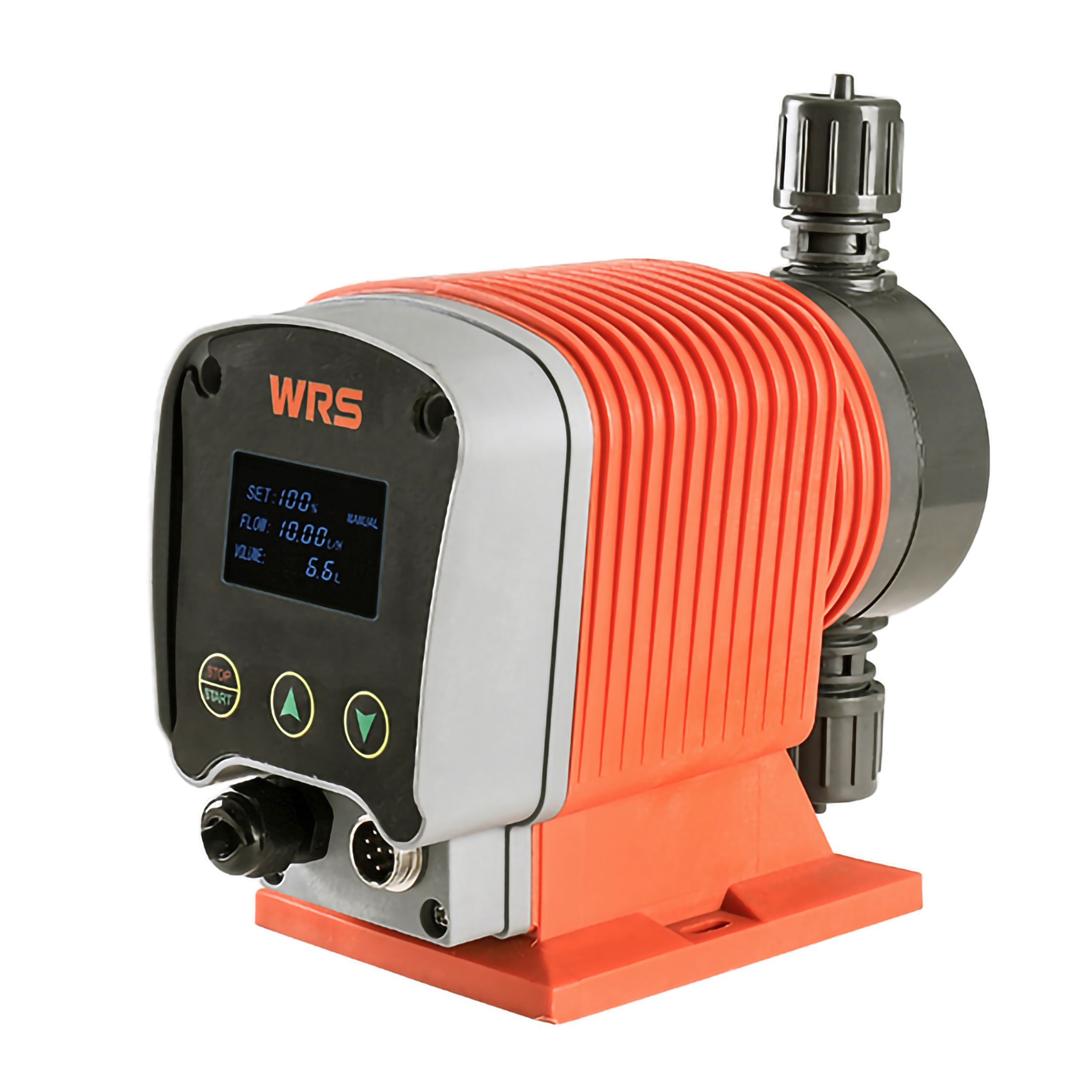
Solenoid Driven Chemical Dosing Pump
The most common dosing pump in the world of chemical dosing. WRS solenoid driven dosing pumps range from 1 l/h up to 20 l/h.
EML : Comes with LCD screen display, signal / Modbus RTU RS485 controlled.
ML: The most basic series with only manual control.
MLS: The upgraded ML models with input signal controlled.
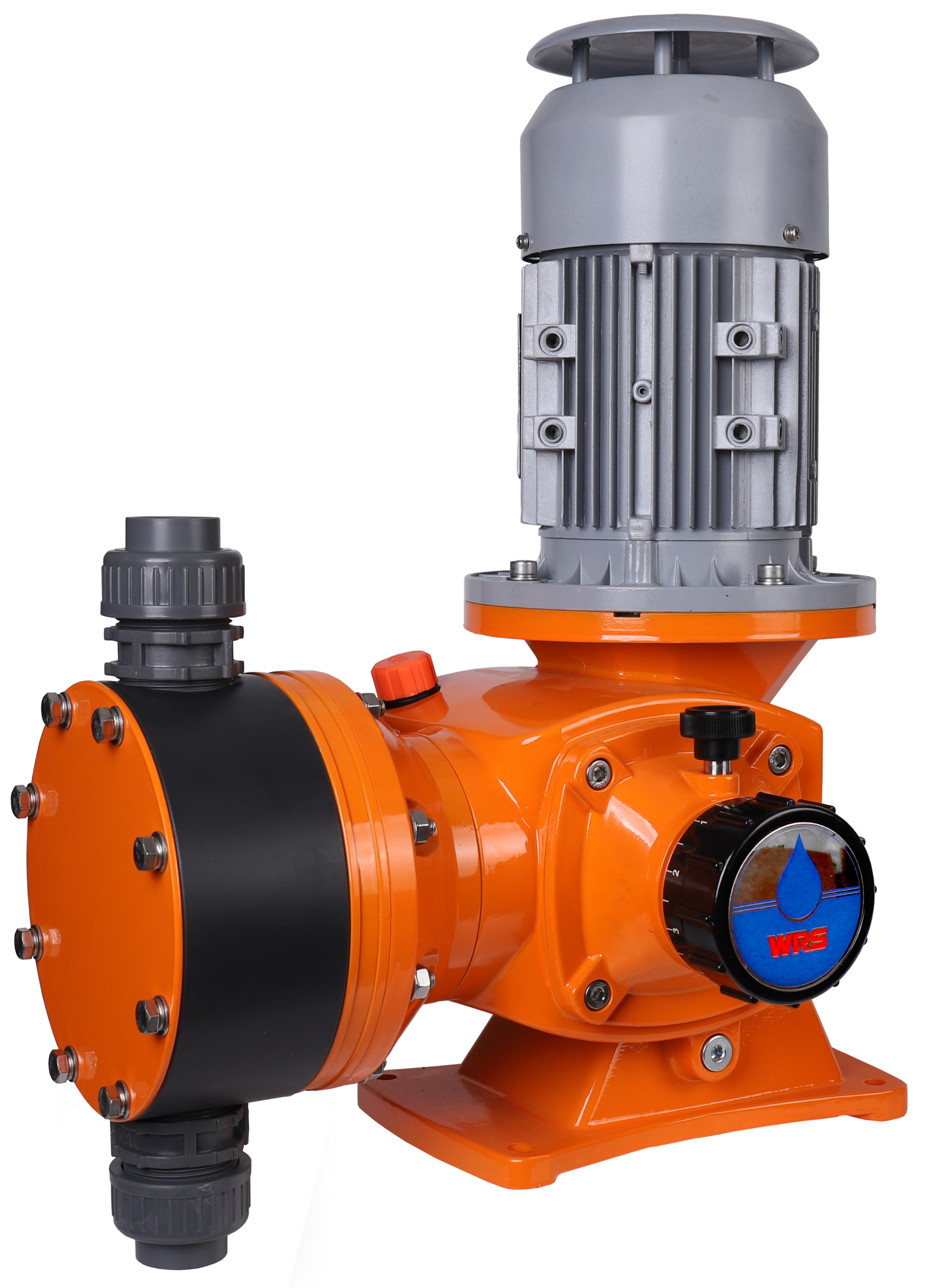
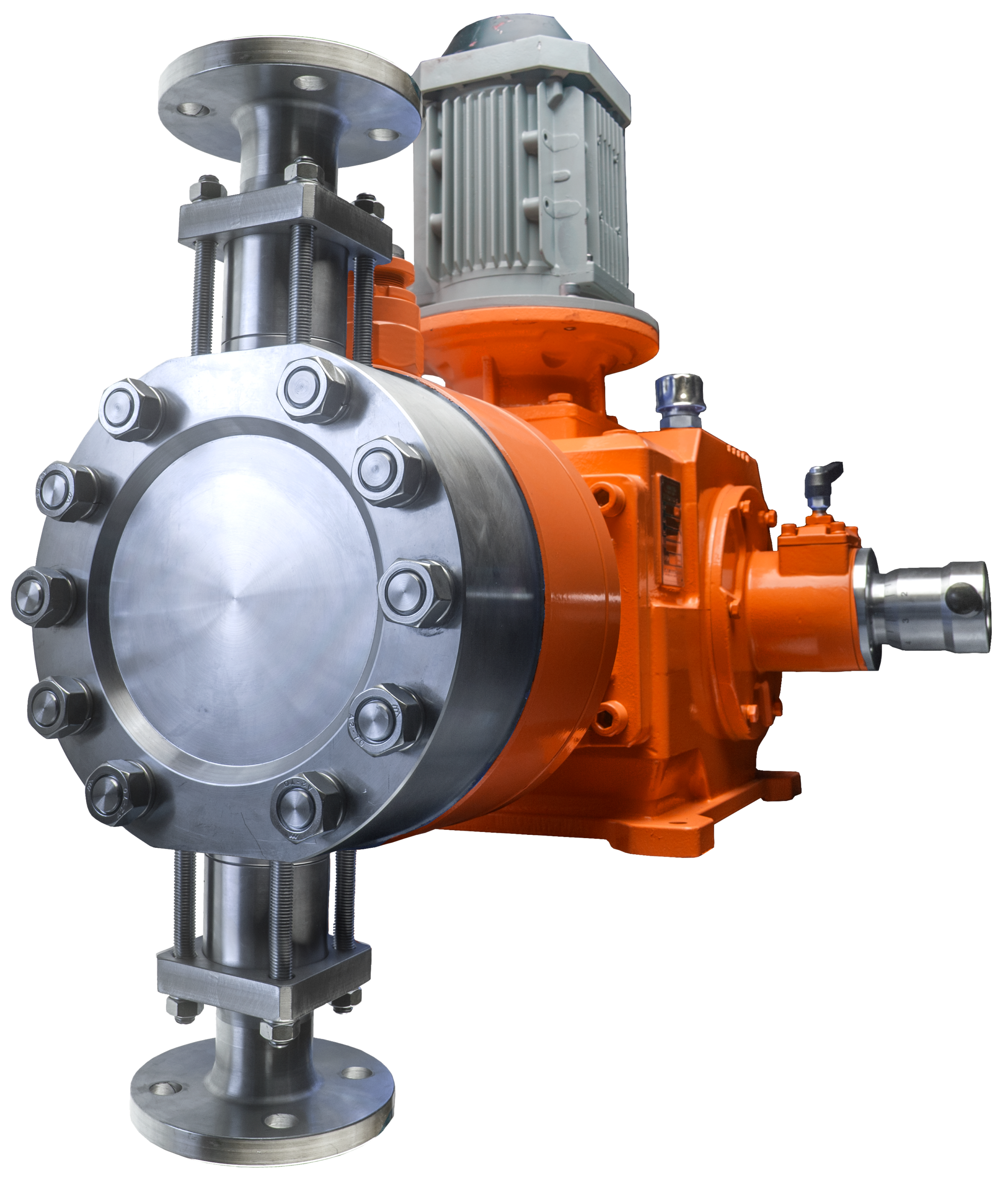
Mechanical Diaphragm Chemical Dosing Pump
The most robust and direct version of chemical dosing from the WRS lined up.
MG Modesl: Using a geared motor and spring return technology, reduced pump size yet maintaining its peak performance.
MA Models: A spring loaded designed and internal worm gear system.
MAA Models: A newer version of the MA models, the MAA models uses newer technology with the internal eccentric drive which makes the pump last longer.
MB Models: The large flow rate models of the mechanical diaphragm chemical dosing pump series.
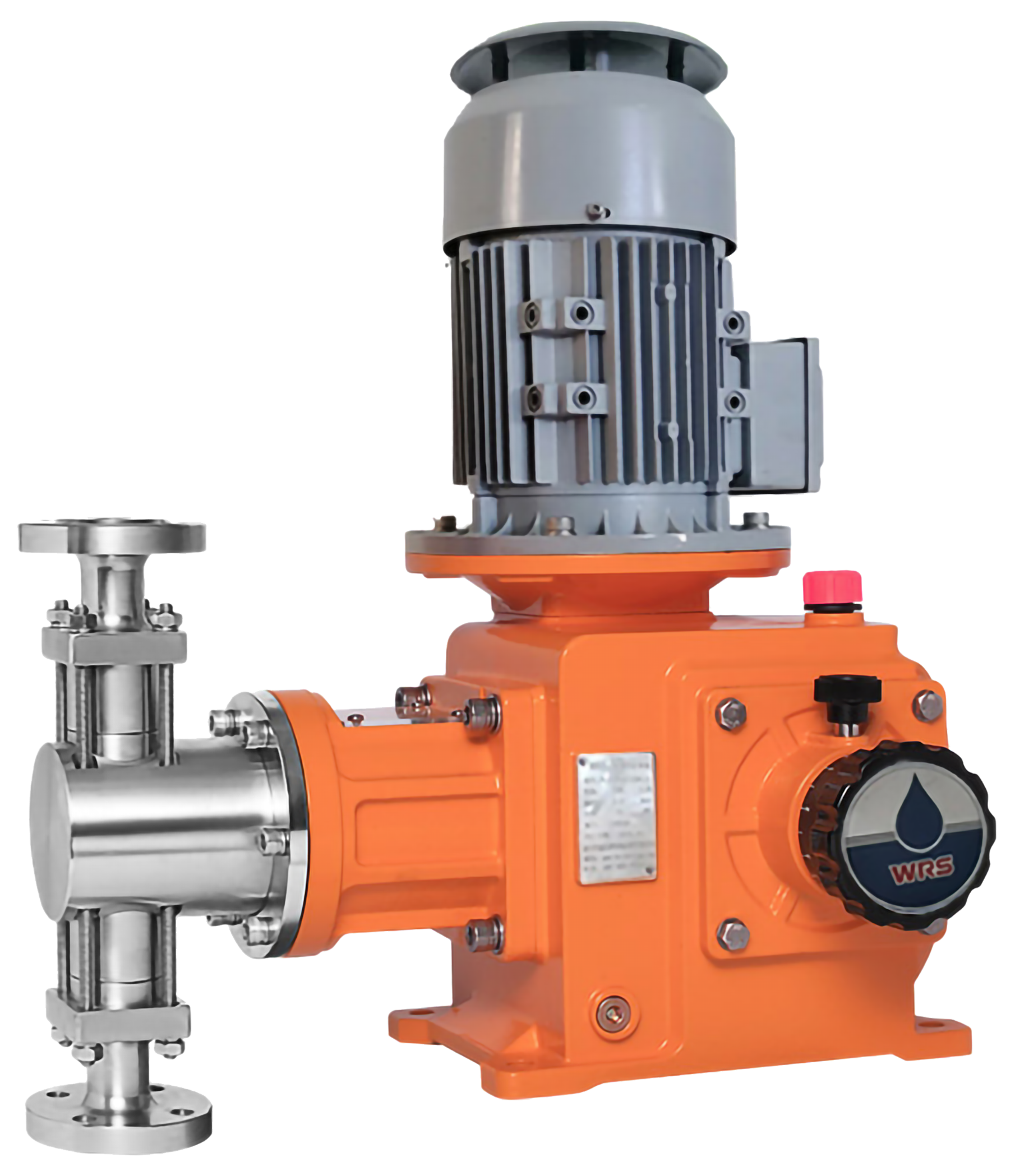
Solenoid Driven Chemical Dosing Pump
The most common dosing pump in the world of chemical dosing. WRS solenoid driven dosing pumps range from 1 l/h up to 20 l/h.
EML : Comes with LCD screen display, signal / Modbus RTU RS485 controlled.
ML: The most basic series with only manual control.
MLS: The upgraded ML models with input signal controlled.
Solenoid Driven Chemical Dosing Pump
The most common dosing pump in the world of chemical dosing. WRS solenoid driven dosing pumps range from 1 l/h up to 20 l/h.
EML : Comes with LCD screen display, signal / Modbus RTU RS485 controlled.
ML: The most basic series with only manual control.
MLS: The upgraded ML models with input signal controlled.
Chemical Dosing Pump: The Complete Guide to Types, Applications & How to Choose the Right One
Meta Title: Chemical Dosing Pump Manufacturer | Types, Specs & Buying Guide Meta Description: Leading chemical dosing pump manufacturer offering diaphragm, peristaltic, plunger & solenoid metering pumps for water treatment, chemical injection & industrial dosing. Get a quote today. Target Keyword: Chemical Dosing Pump URL Slug: /chemical-dosing-pump
Introduction: What Is a Chemical Dosing Pump?
A chemical dosing pump (also called a metering pump or chemical injection pump) is a precision-engineered device designed to inject an exact, controlled volume of liquid chemical into a process stream, tank, or pipeline over a set period of time. Unlike general-purpose transfer pumps, a chemical dosing pump is built for accuracy, repeatability, and chemical resistance — properties that matter most in water treatment, wastewater management, oil & gas, food and beverage processing, agriculture, swimming pool sanitation, and industrial manufacturing.
As a dedicated chemical dosing pump manufacturer, we design and produce a full range of dosing pump technologies to match nearly any flow rate, pressure, chemical compatibility, and automation requirement. This guide walks through every major chemical dosing pump type we manufacture, how each one works, where it performs best, and how to select the right pump for your application.
Why Chemical Dosing Accuracy Matters
Before comparing pump types, it helps to understand what “dosing accuracy” actually means in practice. A chemical dosing pump must:
- Deliver a precise, repeatable volume per stroke or per minute
- Maintain accuracy even as back pressure changes in the system
- Resist corrosion and degradation from aggressive chemicals (acids, alkalis, oxidizers, polymers)
- Operate reliably over long duty cycles with minimal maintenance
- Integrate with PLCs, SCADA systems, and 4-20mA signals for automated process control
Over-dosing wastes chemical and can damage downstream equipment; under-dosing compromises water quality, safety compliance, or product consistency. This is why selecting the correct dosing pump type is a critical engineering decision, not just a purchasing one.
Our Chemical Dosing Pump Range
1. Diaphragm Dosing Pumps (Solenoid & Motor-Driven)
Diaphragm dosing pumps are the most widely used chemical dosing pump type across water treatment and industrial applications. A flexible diaphragm moves back and forth inside a pump head, drawing chemical in through an inlet check valve and expelling it through an outlet check valve.
Two main sub-types we manufacture:
- Solenoid-driven diaphragm pumps – Electromagnetically actuated, ideal for low-to-medium flow rates (up to ~50 L/h) and pressures up to 20 bar. Compact, cost-effective, and widely used for chlorine dosing, pH correction, and disinfection systems.
- Motor-driven (mechanical) diaphragm pumps – Driven by an electric motor and cam/crank mechanism, suited for higher flow rates and continuous-duty industrial dosing, including polymer, coagulant, and flocculant injection.
Best for: Water treatment plants, cooling towers, boiler feedwater, swimming pools, RO pre-treatment, wastewater disinfection.
Advantages: Leak-free sealed design, excellent chemical compatibility (PVDF, PVC, PP, stainless steel wetted parts available), high accuracy, low maintenance.
2. Peristaltic (Hose & Tube) Dosing Pumps
Peristaltic dosing pumps use rotating rollers that compress a flexible hose or tube, pushing chemical through without the fluid ever touching the pump’s internal mechanism.
Best for: Abrasive slurries, viscous chemicals, polymers, flocculants, and applications where cross-contamination must be avoided (food, beverage, pharmaceutical dosing).
Advantages: No check valves to clog or degas, simple maintenance (just replace the hose/tube), self-priming, excellent for shear-sensitive fluids, dry-run safe.
3. Plunger & Piston Metering Pumps
Plunger (piston) dosing pumps use a reciprocating plunger to displace fluid, offering the highest pressure capability of any dosing pump type — often exceeding 100 bar.
Best for: High-pressure chemical injection in oil & gas pipelines, boiler chemical dosing, desalination (RO antiscalant injection), and industrial processes requiring precise dosing against high system back-pressure.
Advantages: Superior pressure handling, high accuracy at low flow rates, durable construction for continuous industrial duty.
4. Solenoid-Driven Metering Pumps
A compact, electronically controlled dosing pump that uses a solenoid to actuate the diaphragm directly. These are the workhorse of small-to-mid scale chemical dosing.
Best for: Municipal water treatment, cooling tower chemical dosing, pH/ORP-controlled disinfection, and OEM equipment integration (e.g., built into water softeners or pool sanitation skids).
Advantages: Digital stroke-rate and stroke-length control, 4-20mA and pulse-input compatibility, compact footprint, cost-efficient.
5. Gear & Progressive Cavity Dosing Pumps
For continuous, pulse-free dosing of higher-viscosity fluids, gear pumps and progressive cavity (screw) pumps provide smooth, non-pulsating flow.
Best for: Polymer dosing, viscous coagulants, adhesives, and applications where pulsation-free flow is critical to downstream mixing or measurement accuracy.
Advantages: Smooth continuous output, good for viscous and shear-sensitive fluids, reliable at low-to-moderate pressure.
6. Digital & Smart Dosing Pumps
Built on diaphragm or peristaltic platforms, our digital dosing pump series adds microprocessor control, touchscreen interfaces, and remote monitoring.
Best for: Facilities requiring automated, data-logged, or remotely monitored dosing — municipal utilities, industrial plants pursuing digitalization, and multi-point dosing skids.
Advantages: Real-time flow verification, integration with SCADA/IoT platforms, self-diagnostics, reduced manual calibration.
Comparison Table: Choosing the Right Chemical Dosing Pump
| Pump Type | Flow Range | Max Pressure | Best For | Chemical Compatibility |
|---|---|---|---|---|
| Solenoid Diaphragm | Low (0.1–50 L/h) | Up to 20 bar | Disinfection, pH control | Excellent |
| Motor-Driven Diaphragm | Low–High | Up to 25 bar | Industrial continuous dosing | Excellent |
| Peristaltic | Low–Medium | Up to 7 bar | Polymers, abrasive/viscous fluids | Excellent |
| Plunger/Piston | Low–High | 100+ bar | High-pressure injection | Very Good |
| Gear/Progressive Cavity | Medium–High | Moderate | Viscous fluids, pulse-free dosing | Good |
| Digital/Smart | Variable | Variable | Automated & monitored systems | Excellent |
Key Applications of Chemical Dosing Pumps
- Municipal & industrial water treatment – chlorination, dechlorination, coagulation, flocculation
- Wastewater treatment – pH neutralization, odor control, polymer dosing
- Cooling towers & boilers – scale and corrosion inhibitor dosing
- Oil & gas – corrosion inhibitor, biocide, and demulsifier injection
- Desalination & RO systems – antiscalant and pH adjustment dosing
- Swimming pools & spas – chlorine and pH control
- Food & beverage – sanitizer and additive dosing
- Agriculture – fertigation and irrigation chemical injection
How to Choose the Right Chemical Dosing Pump
- Identify the chemical properties – viscosity, corrosiveness, abrasiveness, and specific gravity determine wetted-part material (PVC, PVDF, PP, 316SS, PTFE).
- Define required flow rate and turndown ratio – how much chemical per hour, and how finely it needs to be adjusted.
- Determine system back-pressure – higher pressure systems need plunger or heavy-duty diaphragm pumps.
- Decide on control method – manual, analog (4-20mA), pulse-input, or fully digital/networked control.
- Consider duty cycle – continuous industrial dosing favors motor-driven or plunger pumps; intermittent dosing suits solenoid-driven units.
Frequently Asked Questions
What is the difference between a chemical dosing pump and a metering pump? The terms are largely interchangeable in industry usage — both describe pumps designed to deliver a precise, controlled volume of fluid. “Metering pump” is more common in North America; “dosing pump” is more common internationally.
What materials are chemical dosing pump heads made from? Common wetted-part materials include PVC, polypropylene (PP), PVDF, PTFE, and 316 stainless steel, selected based on chemical compatibility with the fluid being dosed.
Can chemical dosing pumps be automated? Yes. Modern diaphragm and peristaltic dosing pumps accept 4-20mA signals, pulse inputs from flow meters, and digital communication protocols (Modbus, etc.) for full integration into automated control systems.
How often do chemical dosing pumps need maintenance? This varies by type. Diaphragm pumps typically need periodic check-valve and diaphragm inspection; peristaltic pumps require hose/tube replacement on a scheduled interval based on run hours and chemical type.
What flow rates do chemical dosing pumps cover? Our range covers dosing rates from under 1 mL/min for precision lab-scale dosing up to several thousand liters per hour for large industrial systems.
Get a Chemical Dosing Pump Quote
As a manufacturer specializing in chemical dosing pump technology, we support system designers, OEMs, and end users with product selection, custom configurations, and technical documentation. Contact our engineering team to specify the right chemical dosing pump for your flow rate, pressure, and chemical compatibility requirements.
[Request a Quote] | [Download Product Catalog] | [Talk to an Application Engineer]